

In this year 2026 that has just begun, there are many challenges facing mobility in Latin America at the continental level in order to continue advancing in the areas of sustainability, accessibility, and efficiency, which the different countries that make up the region have been working on for years. Taking advantage of the opportunities offered by technological advances to improve traffic and transportation is another key issue in making a qualitative leap in road infrastructure and its management. In any case, it is important to differentiate between the specific circumstances of each nation, as well as the gaps in infrastructure, urban inequality, informality, and institutional capacities, which can make a difference compared to Europe.
2026 priorities for mobility in Latin America
Before looking at each country individually, there are shared structural factors:
- High dependence on public transport (bus, BRT, metro).
- Severe congestion in large metropolitan areas.
- Aging fleets and high local pollution (NOx, PM).
- Strong presence of informal transport.
- Social pressure for affordable fares.
- Uneven technological progress, but with strong digital adoption (apps).
This means that in LATAM, sustainability is more about efficiency and equity than pure technological disruption.
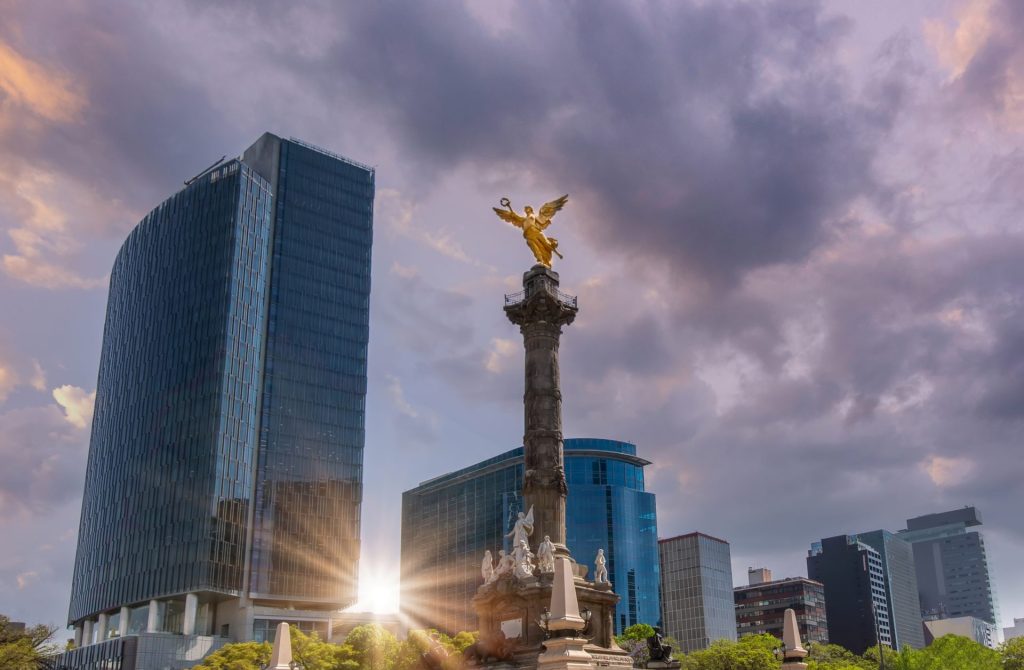 Mexico City (Mexico)
🇲🇽 Mexico
Key priorities:
- Electrification of public transport, especially:
- Metrobús (CDMX)
- Electric trolleybuses
- Expansion of local Low Emission Zones (not national).
- Data integration for traffic management in CDMX, Monterrey, and Guadalajara.
Applied technology:
- Smart traffic lights with priority for public transport.
- Emerging MaaS platforms (card + app).
- Growing use of AI for congestion prediction, not yet for autonomous control.
Special feature:
📌 Major challenge: metropolitan coordination (municipalities + states).
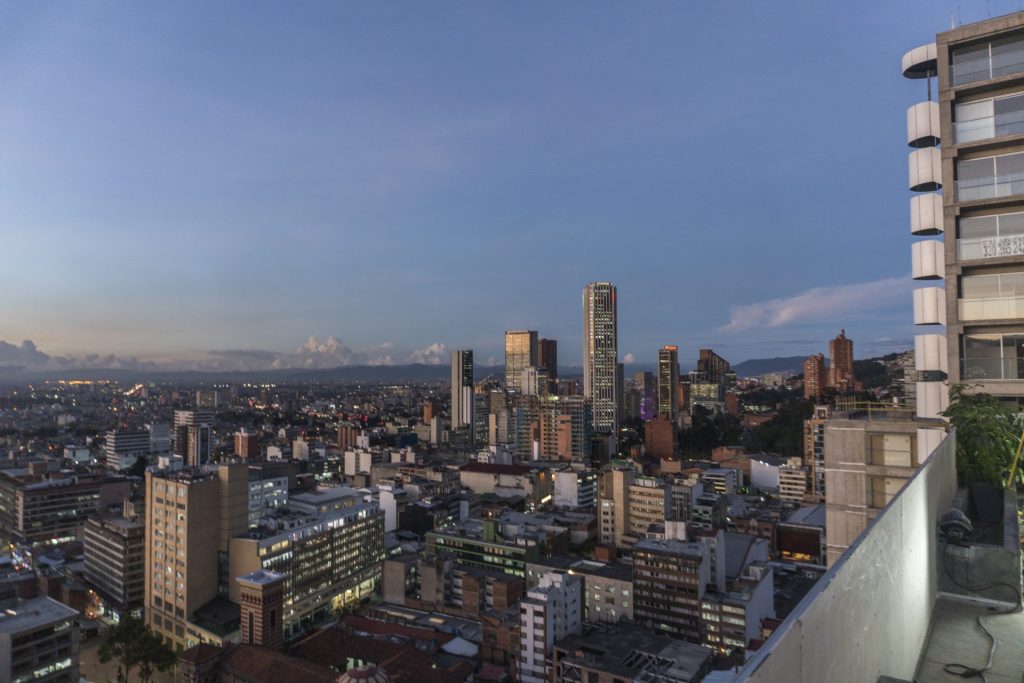
Bogota (Colombia)
🇨🇴 Colombia
Key priorities:
- Consolidation of electric BRT (TransMilenio, Metroplús).
- Promotion of active mobility (bicycles as a structural policy).
- Restrictions on private cars (peak and plate).
Applied technology:
- Traffic management with Big Data analysis.
- Unified digital collection systems.
- Digital twin pilots for urban planning.
Special feature:
📌 Strong regional leadership in planning, but fiscal constraints.
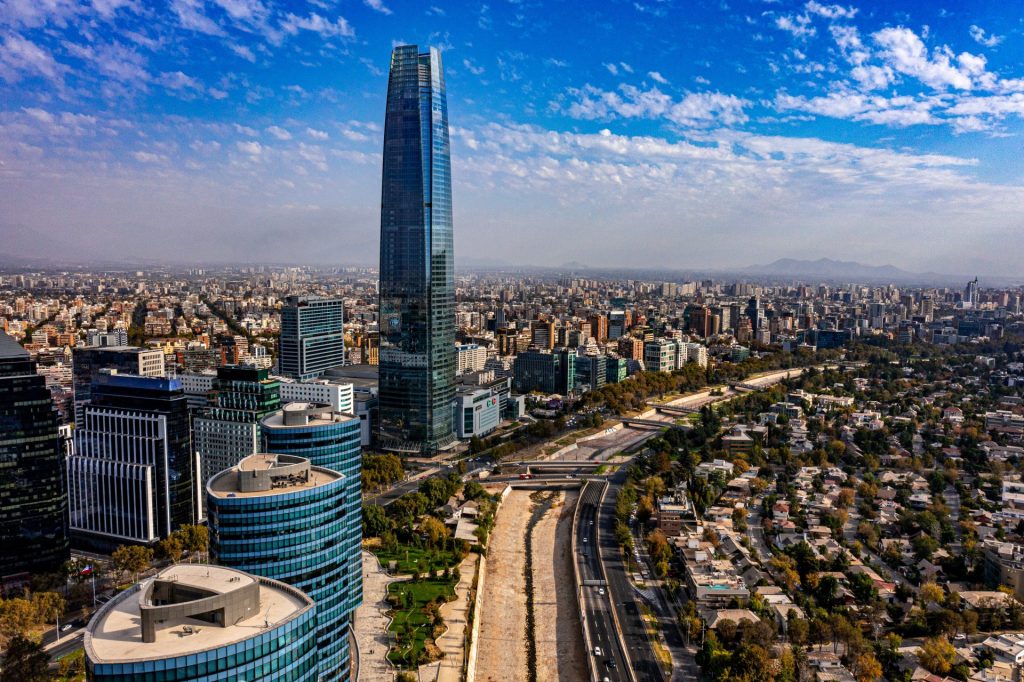
Santiago de Chile (Chile)
🇨🇱 Chile
Key priorities:
- Massive electrification of urban buses (Santiago is a leader in Latin America).
- Advanced fare and multimodal integration.
- Emissions reduction policies aligned with OECD standards.
Applied technology:
- Centralized fleet control.
- AI for route optimization.
- Highly developed real-time user information.
Special feature:
📌 In 2026, Chile will act as a regional laboratory for electric mobility.
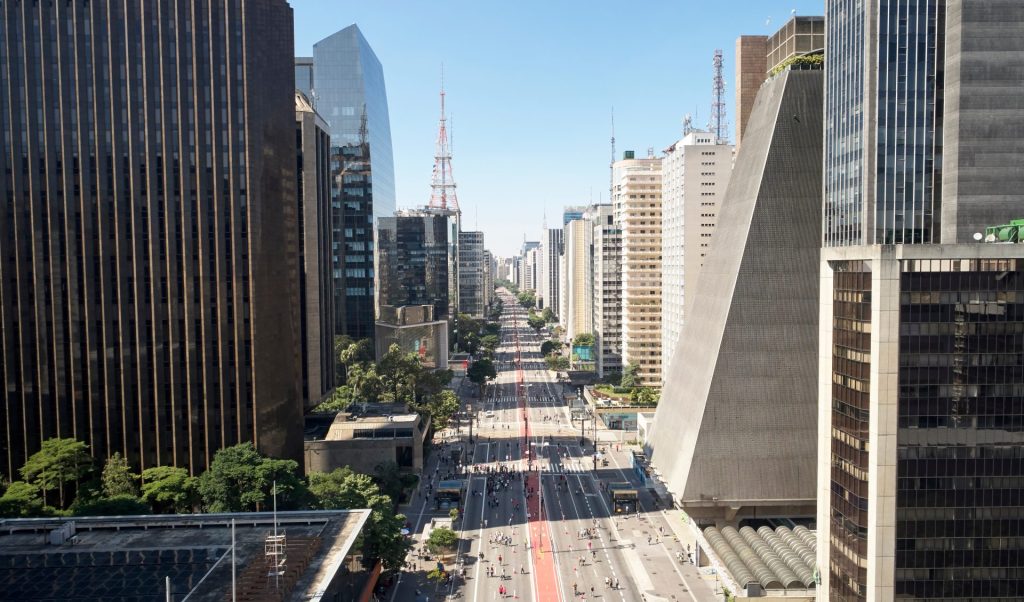
Sao Paulo (Brazil)
🇧🇷 Brazil
Key priorities:
- Traffic management in megacities (São Paulo, Rio).
- Gradual decarbonization of public transport.
- Regulation of mobility apps and urban logistics.
Applied technology:
- Advanced traffic control centers.
- AI for incident management.
- Use of big data from private operators (Uber, 99, iFood).
Special feature:
📌 Continental scale: highly uneven solutions depending on the city.
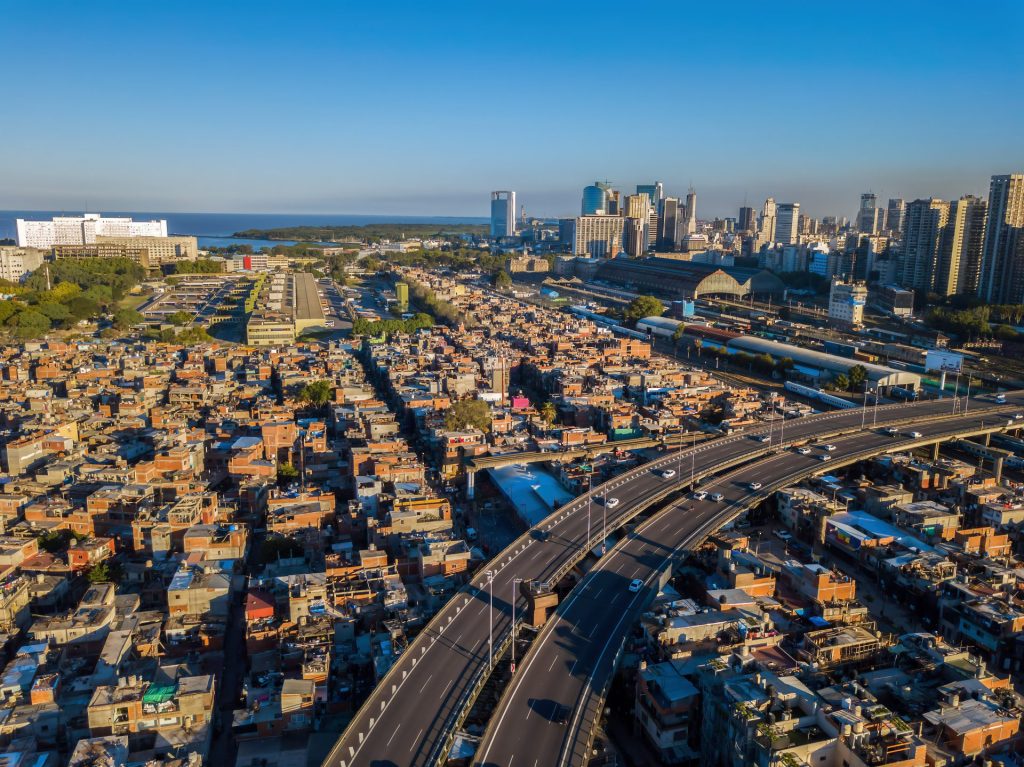
Buenos Aires (Argentina)
🇦🇷 Argentina
Key priorities:
- Improving the efficiency of existing transport (rather than expansion).
- Priority for bus and metropolitan train corridors.
- Containment of subsidies and operational optimization.
Applied technology:
- Electronic fare collection and fleet monitoring.
- Basic ITS systems in expansion.
- Less focus on electrification due to economic context.
Special feature:
📌 In 2026, efficiency and cost will prevail, not disruptive innovation.
 Lima (Peru)
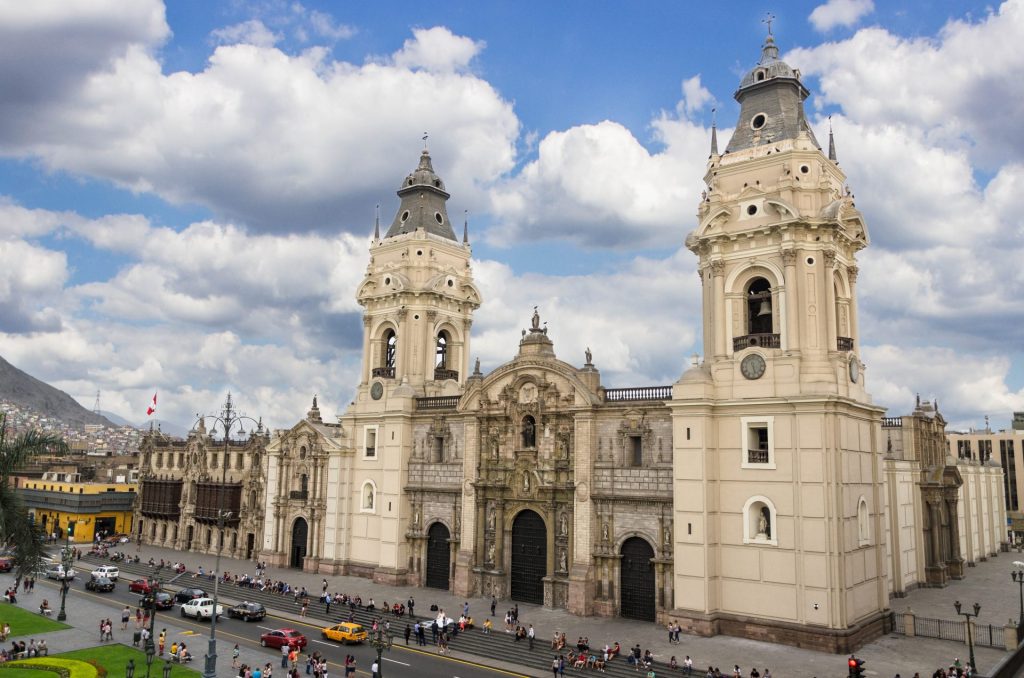 Lima (Peru)
🇵🇪 Peru
Key priorities:
- Regulation of informal transport.
- Expansion of metro and BRT in Lima.
- Reduction of local pollution.
Applied technology:
- Electronic enforcement.
- Semi-automated traffic management.
- Growing number of user information apps.
Special feature:
📌 The biggest challenge is institutional rather than technological.

Quito (Ecuador)
🇪🇨 Ecuador
Key priorities:
- Consolidation of the Quito Metro.
- Bus-metro-bike integration.
- Sustainable mobility policies at the local level.
Applied technology:
- Centralized control systems.
- Unified fare collection.
- ITS focused on road safety.
Special feature:
📌 Medium-sized cities with great potential for technological advancement.
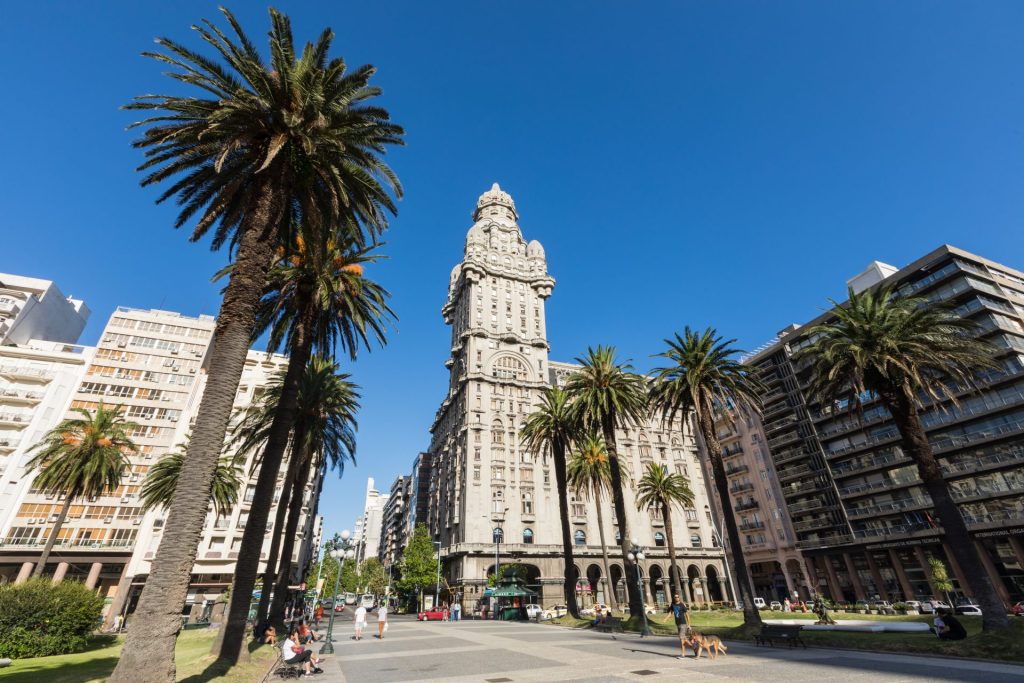
Montevideo (Uruguay)
🇺🇾 Uruguay
Key priorities:
- Sustainable mobility in Montevideo.
- Progressive electrification of public transport.
- Metropolitan integration.
Applied technology:
- Well-accepted digital platforms.
- Fleet management and open data.
Special feature:
📌 High institutional capacity despite small market.
Strategic conclusion for Latin America
In 2026, urban mobility in LATAM will be defined by:
- More management than expansion
- More electric buses than electric cars
- More efficiency than disruption
- More institutional integration than cutting-edge technology
About Vectio
At Vectio, we focus on effective sustainable mobility planning; we are experts in this field. Throughout our eighteen years of existence, we have always maintained an innovative approach, investing in the technological resources most demanded by our clients. We firmly believe that, after more than 1,500 successfully completed projects, what sets us apart from any other company in the sector is our use of the best technology for capturing and analyzing traffic and mobility data.