

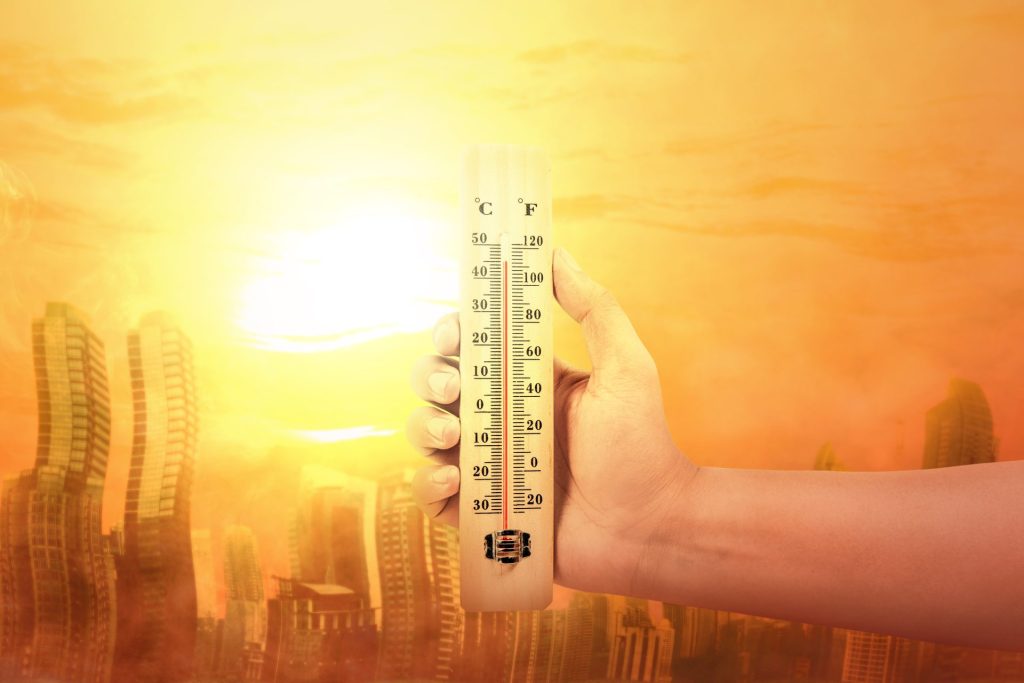
Heat waves are no longer an exceptional phenomenon. Over the past few decades, the increase in the frequency, duration, and intensity of extreme heat events has become one of the most visible consequences of climate change. Although this is typically analyzed from a public health perspective, there is another area that is equally affected and far less visible: mobility. Extreme heat is changing the way people get around, putting critical infrastructure at risk, and generating significant economic costs for governments, operators, and businesses.
The relationship between temperature and mobility is much deeper than it might seem. Modern mobility depends on people’s ability to get around safely, comfortably, and efficiently. When temperatures reach extreme levels, this equation begins to break down. Walking, cycling, waiting for a bus, or performing transportation-related work ceases to be an everyday activity and becomes a risky situation. One of the most significant findings in recent years comes from a study conducted on a sample of 13 million people in Spain by . The researchers concluded that overall mobility can drop by up to 10% on very hot days and by up to 20% during peak temperature hours. Furthermore, heat alters travel patterns, reduces activity in urban centers, and disrupts the social interaction that characterizes dynamic cities.
The Impact on Urban Mobility
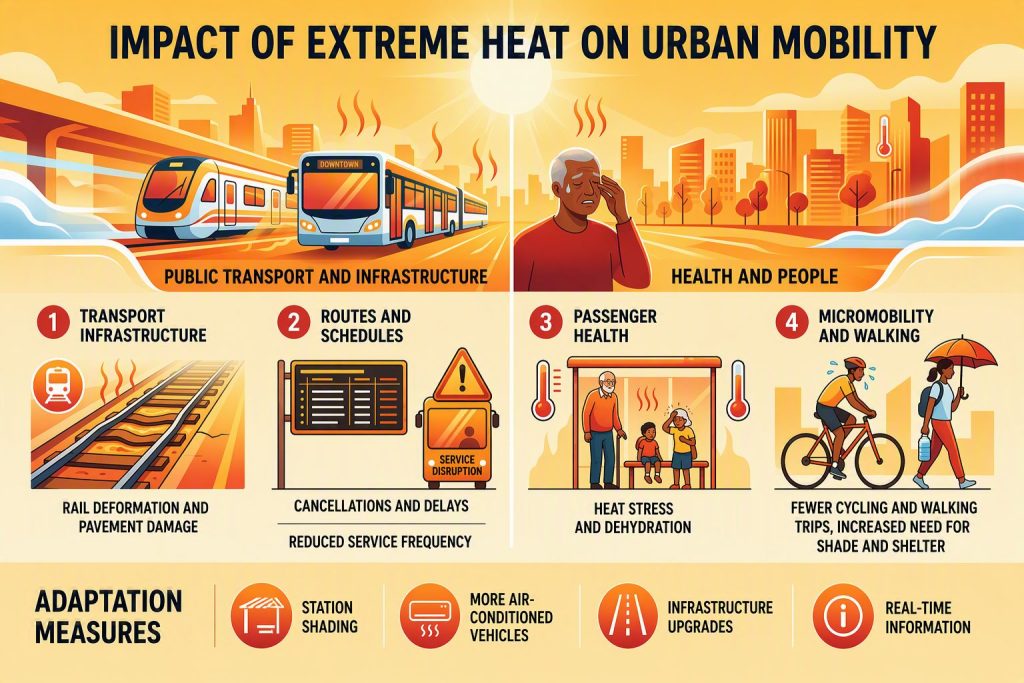
Cities are particularly vulnerable due to the so-called “urban heat island effect”. The concentration of buildings, asphalt, and impervious surfaces causes urban temperatures to be several degrees higher than those in nearby rural areas. As a result, conditions for walking or cycling deteriorate significantly during the warmer months. Active mobility is likely the first casualty of extreme heat. Various studies show that walking and cycling decrease significantly when temperatures exceed certain thresholds. This poses a major problem for sustainable mobility policies, as many citizens opt to use air-conditioned motorized modes of transport, especially private vehicles. Public transportation is not immune either. High temperatures affect the entire user experience: access points, platforms, shelters, stations, and even the vehicles themselves. A bus stop without shade or a poorly ventilated station can become a potentially dangerous space for older adults, children, or people with health issues. Various international organizations have warned that the loss of thermal comfort can lead to a reduction in demand for public transportation and an increase in inequalities in access to mobility.
A Growing Threat to Infrastructure
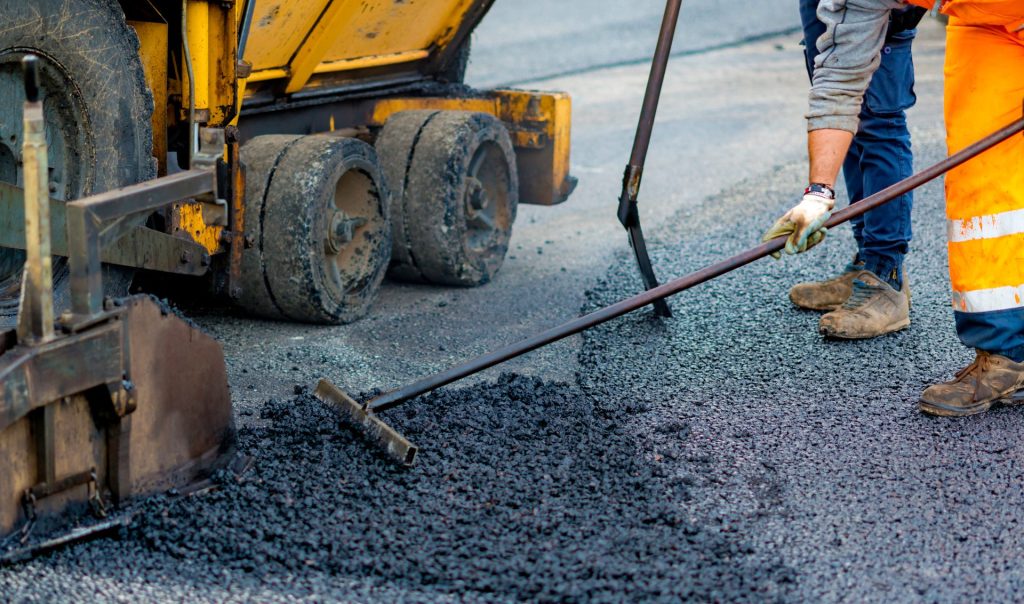
Transportation infrastructure was designed using historical climate data that no longer adequately reflects current reality. Rising temperatures are subjecting roads, railways, airports, and bridges to conditions for which many of them were not designed. Roads suffer from deformation, cracks, and accelerated pavement deterioration. Asphalt can lose its mechanical properties when exposed to extreme temperatures for several days, increasing maintenance needs and reducing the infrastructure’s service life. In the rail sector, the best-known risk is rail buckling. The thermal expansion of steel may necessitate speed limits or even the temporary suspension of certain train services. Recent research published in leading scientific journals indicates that extreme heat increasingly threatens the reliability and connectivity of rail networks. Aviation is not immune to these effects either. High temperatures reduce air density, in some cases forcing airlines to limit the payload carried by aircraft or to modify operating procedures. The IPCC identifies this issue as one of the growing risks for the aviation sector in global warming scenarios.
The Specific Challenge of Rural Mobility
Although cities receive much of the media attention, rural areas have their own vulnerabilities. Greater distances to essential services, limited availability of public transportation, and an aging population mean that the capacity to adapt is, in many cases, more limited. A person living in a large city can adjust the time of a trip or choose among various modes of transportation. However, in many rural areas, dependence on cars is virtually absolute. When a heat wave affects an aging population with limited transportation services, the risk of isolation increases considerably.
Furthermore, key economic sectors in rural areas, such as agriculture and agri-food logistics, must also adjust work schedules and transportation to reduce the heat exposure of workers and goods. This has direct implications for productivity and operating costs.
An Increasingly Significant Economic Impact
The economic consequences of extreme heat are considerable. On the one hand, the costs of maintaining and adapting infrastructure increase. On the other hand, productivity declines due to delays, disruptions, and changes in mobility patterns. Added to this are energy costs resulting from increased demand for air conditioning, the operational reorganization of transportation services, and occupational hazards for workers exposed to the elements. The World Bank emphasizes that preventive actions are significantly more cost-effective than corrective measures implemented after damage has occurred.
Adapting to Keep Moving
The good news is that solutions exist. Cities can incorporate urban trees, green corridors, and shaded areas that significantly reduce the temperature experienced by pedestrians and cyclists. Transportation operators can improve the design of stations and stops, develop early-warning systems, and use artificial intelligence tools to anticipate changes in demand during extreme weather events. Likewise, it will be necessary to review the design criteria for roads, railways, bridges, and airports to adapt them to future climate conditions—not just those of the past. Climate resilience strategies are no longer an option but a necessity to ensure the continuity of transportation and the economic competitiveness of regions.
Conclusion
Extreme heat is becoming one of the major challenges for mobility in the 21st century. Its impact extends beyond the environmental sphere and directly affects accessibility, the economy, social cohesion, and quality of life. Cities and regions that begin today to incorporate climate adaptation criteria into transportation planning will be better prepared to face a future in which resilience will be just as important as efficiency. Sustainable mobility will depend not only on reducing emissions but also on ensuring that people can continue to get around safely, comfortably, and reliably in an increasingly warmer world.
About Vectio
At Vectio, we focus on effective sustainable mobility planning; we are experts in this field. Throughout our nineteen years in business, we have consistently maintained a commitment to innovation, embracing the technological solutions most in demand by our clients. We firmly believe that, after successfully completing more than 1,500 projects, what sets us apart from any other company in the sector is our use of the best technology for collecting and analyzing traffic and mobility data.